
Few things strike dread into a homeowner like the sound of rushing water behind drywall, the cold sensation of water soaking into carpets, or an overflowing toilet. When water escapes its confines, your home is immediately at risk. A plumbing emergency is a high-stakes event where panic can be your worst enemy. Decisions made in the first thirty minutes can mean the difference between a minor cleanup and a costly rebuild that displaces your family for weeks.
To handle a plumbing crisis effectively, stay calm and follow a systematic containment protocol. Understanding how your home’s water distribution and waste disposal systems work can reduce the emergency’s impact. This guide will provide you with a step-by-step containment strategy, safety protocols, and diagnostic tips to stabilize your home, protect your belongings, and manage repairs confidently.
Stopping the Flow and Stabilizing the Scene

The moment you discover water spreading across your floor, your immediate, singular priority is to stop the flow of water at its source. Do not waste precious minutes searching for towels, mopping, or inspecting the damage; every second water continues to spray is another gallon absorbed by your floors and subfloor. Your home is equipped with a network of isolation valves designed to shut down water to specific areas, as well as a master valve that can shut off water to the entire property. Taking control of these valves is your first line of defense.
To stabilize your home during a sudden water crisis, execute the following steps immediately:
- Locate the fixture shut-off valves, which are typically small, chrome knobs situated directly beneath sinks, behind toilets, or next to water heaters and washing machines. Turn these valves clockwise to completely close them.
- If a specific fixture valve is stuck, rusted, or if the leak is located inside a wall, bypass the local valves and head straight to your home’s main water shut-off valve.
- Look for your main shut-off valve in common locations such as the basement, a crawlspace, an attached utility room, or near the street curb inside a buried plastic or concrete meter box.
- Determine if you have a gate valve, which requires multiple clockwise turns to close, or a modern ball valve, which only requires a simple quarter-turn of a lever handle so it sits perpendicular to the pipe.
- Once the main valve is shut off, open the lowest faucet in your home, such as an outdoor hose bib or a laundry sink, along with the highest faucet, to drain any remaining pressurized water safely out of your plumbing lines.
Understanding these mechanical steps is the core of handling emergency plumbing situations effectively. When a major line bursts, knowing the exact physical location of your main shut-off valve is your ultimate shield. Keeping this valve clear of storage boxes, shelving, and household clutter is vital so that you do not waste precious time searching for it during a dark, chaotic moment.
If you are unable to turn the valve because of rust or physical degradation, you should immediately contact professional plumbers who can use specialized tools to cut off the flow at the municipal meter.
Mitigating Immediate Damage and Securing Safety
With the active water supply successfully turned off, you can catch your breath and turn your attention to personal safety and property mitigation. Water and electricity are a highly lethal combination. If a major leak occurs near an electrical outlet, appliance plug, or your main breaker panel, do not step into standing water to reach the shut-off valve. If there is any chance that water has come into contact with electrical systems, go directly to your main electrical panel and shut off power to the affected zones before stepping into the flooded area.
Once you have verified that the scene is physically safe to enter, your next phase is to minimize structural damage and salvage your valuable belongings. Water migrates rapidly through gravity, seeking out floor cracks, heating vents, and baseboard gaps to move downward into your home’s lower levels.
- Quickly clear all furniture, area rugs, electronic devices, and personal storage bins out of the wet zone and move them to dry, unaffected rooms.
- Use thick cardboard, plastic sheeting, or aluminum foil beneath the legs of heavy furniture that cannot be moved to prevent wood stains from bleeding into wet carpets.
- Utilize buckets, plastic storage bins, or garbage cans to catch any dripping water coming down from ceiling tiles or light fixtures on lower floors.
- Deploy towels, blankets, or absorbent barriers along doorways and baseboards to slow down the migration of water into adjacent rooms.
Once the area is cleared of immediate safety hazards and valuable belongings, you can inspect the compromised pipe itself to determine if a temporary fix can hold while you arrange a permanent plumbing repair. If the leak is a small pinhole in an exposed copper pipe, wrapping the area with self-fusing silicone rescue tape or applying a temporary rubber pipe clamp can stop minor weeping when you turn the water back on for essential household use. However, always remember that these temporary repairs are meant only to buy you time, not to serve as permanent fixes.
To ensure your home is fully restored and protected against future system failures, you will want to coordinate with a highly reputable plumbing company that can properly diagnose the root cause of the burst. While waiting for their arrival, you can begin the physical cleanup process by using a wet-dry vacuum to suck up standing water and setting up heavy-duty floor fans and dehumidifiers to pull moisture out of the air.
Diagnosing Subterranean and Hidden Disasters

Some of the most dangerous plumbing crises do not announce themselves with a sudden, dramatic spray of water in your kitchen or bathroom. Instead, they occur quietly, hidden away beneath concrete foundations, deep behind plaster walls, or inside insulated crawlspaces. These slow-moving disasters can erode soil beneath your home, compromise your foundation’s structural integrity, and lead to massive utility bills before you even realize a pipe has failed. Recognizing the subtle warning signs of subterranean failures is key to catching them before they cause catastrophic structural shifting.
One of the most complex hidden crises a homeowner can face involves slab leaks, which occur when the copper water supply lines running beneath your concrete foundation wear down and break. Because these lines are buried under inches of steel-reinforced concrete, identifying the exact source of the failure requires specialized diagnostic equipment.
- Pay close attention to unexplained warm spots on your tile or linoleum flooring, which often indicate a broken hot water line beneath the concrete slab.
- Listen closely for the continuous sound of running or rushing water beneath your floors when all faucets and appliances in the house are completely turned off.
- Monitor your monthly water utility bills for sudden, unexplained spikes in consumption that do not align with your actual household usage.
- Watch for damp drywall, peeling paint, or mold growth along the bottom of your baseboards on the ground level of your home.
If a diagnostic team confirms that you have multiple failing lines running beneath your concrete foundation, patching a single leak is often a temporary band-aid on a system that is nearing the end of its useful life. In homes with aging, corroded galvanized steel or early-generation copper pipes, the most cost-effective and permanent solution is often a complete repipe of the entire house.
This process involves abandoning the old, buried water lines altogether and running new, highly flexible cross-linked polyethylene (PEX) water lines through your walls and ceilings. Modern PEX piping is highly resistant to mineral scaling, chemical corrosion, and freezing temperatures, ensuring your water distribution system remains secure and leak-free for decades. While replacing your entire pipe network is a major project, it completely eliminates the anxiety of future subterranean pipe failures and significantly boosts your home’s long-term resale value.
Navigating Main Line and Wastewater Emergencies
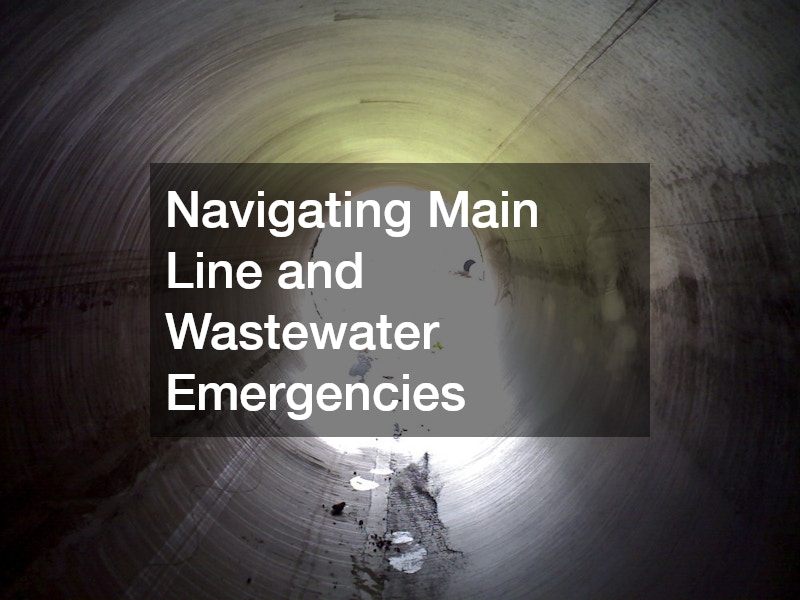
While a clean water supply leak is clean and relatively easy to dry out, a wastewater emergency represents a severe biohazard that requires immediate, highly structured containment. Your home’s drain, waste, and vent systems are responsible for safely whisking away contaminated water to the municipal sewer line or a private septic tank. When this pathway becomes blocked, collapsed, or infiltrated by aggressive tree roots, sewage has nowhere to go but back up through your lowest household drains, putting your health and property at serious risk.
Understanding the difference between a simple fixture clog and a major main line failure is critical for executing the proper emergency response.
- Identify a localized clog if only one sink, tub, or toilet drains slowly while the rest of the fixtures in your home perform perfectly.
- Recognize a main line sewer blockage if multiple drains across different rooms back up simultaneously, or if flushing a toilet causes water to bubble up into your nearby shower pan.
- Stop using all running water, showers, and washing machines immediately upon suspecting a main sewer line blockage to prevent additional waste from flooding your home.
- Locate your main sewer cleanout, which is typically a white or black plastic pipe with a square cap sticking out of your yard or basement floor, to provide access for diagnostics.
Addressing a collapsed, root-clogged, or bellied main line beneath your yard requires specialized expertise in local sewer repairs to restore the flow of wastewater safely. Professional technicians can use specialized sewer cameras to travel down the pipe, pinpoint the exact location of the damage, and clear out thick root intrusions using high-pressure hydro-jetting or mechanical cutting blades. In many cases, modern trenchless pipe lining can repair the damaged section from the inside out, saving you from having to excavate your entire front yard and driveway.
If your property is not connected to a municipal sewer network, your waste flows into an on-site wastewater treatment system. A sudden backup, foul odors in the yard, or wet, spongy soil over your drainage field are clear indicators that you need to contact an experienced septic service company immediately. These specialists can pump out your primary holding tank, inspect your baffles for structural damage, and ensure that your soil absorption field is not clogged with solids. Keeping a close eye on your wastewater systems prevents raw sewage from contaminating your living spaces and protects your local environment from biological contamination.
Recruiting and Managing Professional Help
When you are in the middle of a stressful plumbing crisis, the temptation to hire the very first person who answers the phone is incredibly strong. However, making a rushed hiring decision under pressure often leads to poor workmanship, unpermitted repairs, and inflated bills. To protect your home and your wallet, you must maintain a professional, analytical mindset when selecting and managing your repair team. Knowing what questions to ask and what credentials to verify ensures you hire a true professional who will resolve your issue permanently.
To successfully manage your repair team and secure your property during a major service call, keep these key management principles in mind:
- Verify that any technician entering your home is licensed, bonded, and carries active general liability and workers’ compensation insurance to protect you from personal liability.
- Ask for a detailed, written diagnostic estimate before any physical repair work begins, ensuring all parts, labor, and emergency trip fees are clearly itemized.
- Inquire about workmanship and manufacturer warranties on all replaced piping, valves, and mechanical fixtures to secure your long-term peace of mind.
- Request a written summary of the work performed, along with high-resolution photos of the repaired pipe sections, to keep in your home maintenance records.
When evaluating your options, look for a business that offers a comprehensive suite of plumbing services rather than a simple handyman service. A fully equipped, professional organization will have the advanced leak detection cameras, pipe-freezing equipment, and heavy-duty drain-clearing machinery needed to resolve complex system failures on the spot. Working with a dedicated plumbing contractor ensures that your repairs are performed to the highest industry standards and in strict compliance with your local municipal building and safety codes.
Once the physical repairs are complete, make sure to request a detailed receipt that outlines the exact cause of the failure. This documentation is incredibly valuable if you plan to file a homeowner’s insurance claim for water damage mitigation and reconstruction. Keep any damaged sections of pipe that the technician cuts out, as your insurance adjuster may want to inspect them to verify the cause of the loss. By keeping a clear paper trail and managing your service professionals with organized authority, you can transition smoothly from emergency mitigation to full structural restoration.
Returning Your Home to a Safe and Dry State
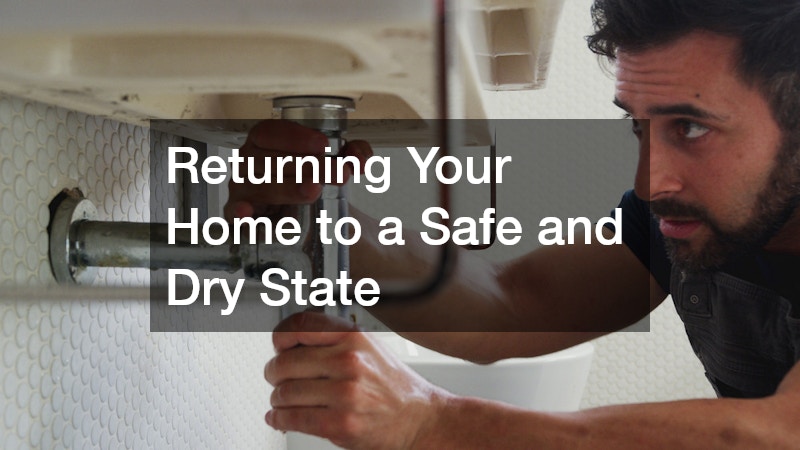
Experiencing a sudden plumbing crisis is an exhausting, stressful wake-up call, but it also serves as a powerful reminder of how vital preventive maintenance is to your home’s overall health. Take this opportunity to update your household emergency contacts, label all of your local isolation valves with clear tags, and show every member of your family how to locate and shut off the main water valve. By taking these simple, proactive steps today, you can transform your home’s next plumbing surprise from a terrifying structural disaster into a calm, highly organized, and easily managed household event.