A home rarely falls into disrepair overnight. More often, major damage starts with a tiny leak under the sink, a strange sound from the attic, or a draft that suddenly appears near the living room window. These issues seem easy to ignore at first, especially when daily life gets busy. But small warning signs have a way of growing into expensive emergencies when they are left unchecked.
The challenge for many homeowners is knowing which problems deserve immediate attention and which ones can wait. A little discoloration on the ceiling may not seem urgent until it becomes a major water intrusion issue. A garage door that hesitates for a few seconds may appear harmless until the system fails completely on a rainy morning.
Recognizing early warning signs can help homeowners avoid costly repairs, reduce stress, and protect the long-term value of their property. The key is learning how different systems behave when something starts to go wrong and understanding when preventative action matters most.
Recognizing Early Signs of Cooling System Trouble
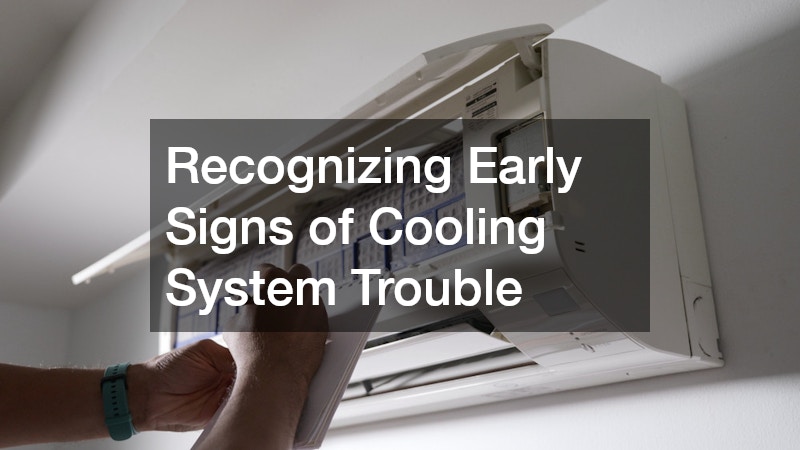
Most homeowners notice cooling problems gradually. One room feels warmer than the others. The air coming from the vents seems weaker than usual. Utility bills rise even though household habits have not changed. These issues are easy to dismiss during mild weather, but they often indicate larger problems developing behind the scenes.
In many homes, airflow problems begin long before the system completely stops working. Dust accumulation in ductwork, aging components, or blocked vents can slowly reduce efficiency over time. Some homeowners compensate by lowering the thermostat repeatedly, which increases wear on the system without solving the actual issue.
Unusual noises are another common warning sign. A clicking sound during startup may point to electrical trouble, while rattling or buzzing could indicate loose parts or failing internal components. If the system cycles on and off frequently without maintaining the desired temperature, it may already require AC repair before a breakdown occurs.
There are also situations where the problem is not the unit itself but the age of the entire system. Older equipment tends to struggle during extreme seasonal changes. Homeowners sometimes notice this first during heat waves, when the cooling system runs constantly but never quite reaches a comfortable indoor temperature.
Several subtle indicators often appear before complete failure:
- Warm air coming from vents
- Weak airflow in certain rooms
- Excess humidity indoors
- Musty smells near vents
- Unexpected spikes in energy bills
When these symptoms persist, many homeowners begin comparing local AC companies to evaluate repair or replacement options. Acting early usually prevents emergency service calls during peak summer temperatures, when wait times and costs are often much higher.
Watching for Moisture Problems Inside the Home
Water damage has a way of hiding in plain sight. A faint stain on the ceiling may seem cosmetic at first, but moisture often spreads behind walls, insulation, and flooring long before visible damage appears.
One of the most overlooked warning signs is smell. A persistent musty odor usually indicates trapped moisture somewhere inside the structure. Bathrooms, laundry rooms, and kitchens are especially vulnerable because pipes and fixtures are used constantly.
Homeowners sometimes notice flooring that feels soft near sinks or appliances. In other cases, paint begins bubbling around windows or baseboards. These are not simply cosmetic concerns. Moisture weakens materials over time and creates conditions where mold can develop rapidly.
Recurring drain problems are another red flag. A slow drain that keeps returning after temporary fixes may indicate deeper issues within the plumbing system. Corroded pipes, hidden leaks, or partial blockages can worsen gradually until they affect multiple areas of the home.
A practical way to monitor moisture-related issues is to conduct occasional visual inspections in areas homeowners rarely examine closely. This includes:
- Under bathroom sinks
- Around water heaters
- Behind washing machines
- Near exterior walls after storms
- Around ceilings beneath upstairs bathrooms
In one common scenario, a homeowner may notice a small water spot near a hallway light fixture and ignore it for months because it does not appear to spread. Then, after a heavy rainstorm, the drywall suddenly sags and collapses. What seemed like a minor stain was actually ongoing moisture damage that weakened the ceiling structure over time.
Routine attention to plumbing concerns can prevent these situations from escalating into expensive structural repairs.
Identifying Exterior Damage Before Weather Makes It Worse
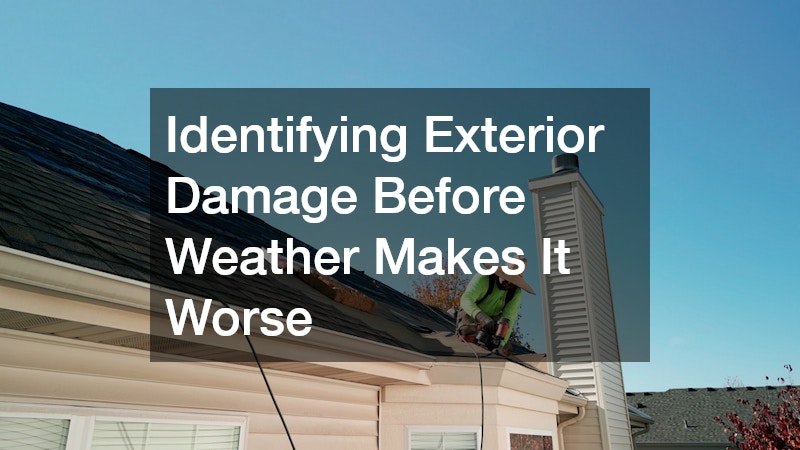
Exterior damage often develops quietly. Wind, heat, rain, and changing temperatures slowly wear down roofing materials over time. By the time a leak becomes visible indoors, the problem outside may already be extensive.
One of the earliest signs of trouble is missing or curling shingles. Even small gaps can allow moisture underneath the roofing system, where water gradually damages decking and insulation. Sagging sections are especially concerning because they may indicate trapped moisture or weakened structural supports.
Homeowners who perform occasional outdoor inspections frequently catch issues early enough to avoid major restoration work. A quick visual check after storms can reveal loose materials, clogged gutters, or damaged flashing before conditions worsen.
Preventative roof maintenance and repair are often less expensive than emergency restoration after severe leaks develop. Seasonal inspections become especially important in areas with heavy rainfall, intense sun exposure, or strong winds.
Experienced roofers often recommend checking for warning signs in overlooked areas such as:
- Around chimneys and vents
- Along the roof valleys
- Near skylights
- Around gutter attachments
- At the edges of shingles
The timing of repairs matters more than many homeowners realize. A minor issue discovered during dry weather may become a major leak during the next storm season. Delaying action by even a few months can significantly increase both labor and material costs.
Paying Attention to Drafts and Window Changes
Windows influence more than appearance. They affect energy efficiency, indoor comfort, and moisture protection throughout the home. When windows begin failing, the warning signs are often subtle at first.
Condensation trapped between panes usually indicates a broken seal. Once seals fail, insulating gases escape, and moisture enters the space between the glass layers. Homeowners may also notice indoor temperatures becoming harder to regulate in certain rooms.
Drafts are another important clue. A slight breeze around windows during colder months can force heating and cooling systems to work much harder year-round. Over time, these inefficiencies contribute to higher utility costs and inconsistent comfort throughout the home.
Some homeowners delay upgrades because the damage appears minor, but deteriorating windows can eventually allow water intrusion around frames and surrounding walls. Paint may peel, wood may warp, and mold growth may begin inside hidden cavities.
Modern impact windows offer additional protection beyond energy efficiency. In regions vulnerable to storms or strong winds, upgraded windows help reduce structural vulnerability while improving insulation and noise reduction.
Homeowners can perform a simple inspection by standing near windows during windy weather and checking for:
- Temperature differences
- Condensation buildup
- Cracked caulking
- Difficulty opening or closing frames
- Water stains around the trim
Small maintenance tasks like replacing worn caulking can extend window lifespan considerably. Ignoring these warning signs, however, often leads to larger repair projects involving drywall, insulation, or framing materials.
Responding Quickly to Indoor Air Quality Warnings
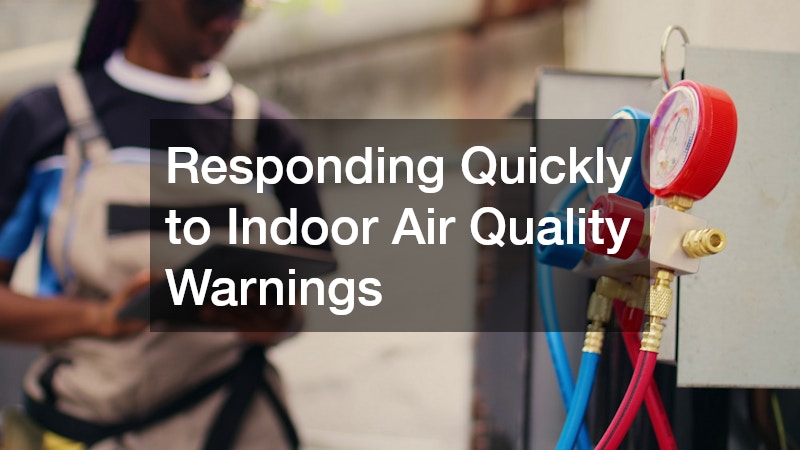
Many home repair problems reveal themselves through changes in air quality before visible damage appears. A dusty smell, smoky odor, or unexplained irritation indoors may point toward ventilation or chimney issues developing behind the scenes.
For homeowners with fireplaces, creosote accumulation inside the chimney is one of the most serious hazards. Creosote is highly flammable and builds up gradually as fireplaces are used over time. Without regular cleaning, the risk of chimney fires increases substantially.
Some warning signs appear subtly:
- Smoke entering the room during fireplace use
- Strong odors after fires burn out
- Excess soot near vents or walls
- Reduced airflow through the chimney
Hiring a professional chimney cleaner helps remove dangerous buildup while identifying structural concerns such as cracks or obstructions.
Ventilation problems also affect heating and cooling efficiency. Dirty vents, clogged filters, and restricted airflow force systems to work harder, which increases utility costs and accelerates wear on equipment.
In many households, poor indoor air quality develops gradually enough that occupants stop noticing it. Visitors, however, may immediately detect stale air or unusual odors. That difference alone can signal that airflow or ventilation systems need professional attention.
Taking Garage Door Problems Seriously
Garage doors are often overlooked until they stop functioning entirely. Because homeowners use them daily, gradual performance changes can become normalized over time.
A garage door that shakes, jerks, or moves unevenly is rarely operating correctly. Grinding sounds may indicate worn rollers or track alignment problems. A delayed response after pressing the opener can signal motor or sensor issues developing in the system.
Broken springs are particularly dangerous because they hold significant tension. Attempting DIY repairs without proper equipment can lead to serious injury. That is why many homeowners rely on professional garage door repair services when warning signs first appear.
Instead of waiting for total failure, homeowners should pay attention to changes in how the system feels during regular operation. For example, a door that suddenly becomes louder than usual often indicates friction or component wear somewhere within the mechanism.
Regular maintenance can help prevent expensive emergency repairs. Homeowners can safely perform basic checks by observing whether the door:
- Closes evenly
- Responds consistently
- Produces unusual noises
- Reverses properly when obstructed
- Appears balanced during movement
In one common scenario, a homeowner ignores a loud popping sound for several weeks because the door still functions. Then one morning, the spring snaps completely, leaving the vehicle trapped inside before work. Small symptoms often appear long before complete failure occurs.
Recognizing When Older Systems Need Attention

Home systems rarely fail without warning. More often, they become increasingly unreliable over time. Homeowners may notice more frequent service calls, inconsistent performance, or steadily rising operating costs before a major breakdown finally occurs.
Cooling systems are a good example. Some homeowners continue repairing aging units year after year because the problems seem manageable individually. However, repeated repairs can eventually cost more than replacing outdated equipment altogether.
The quality of installation also plays a major role in long-term reliability. Poor airflow design, improper sizing, or rushed workmanship during AC installations can shorten system lifespan significantly.
Homeowners evaluating aging systems should consider several factors beyond immediate repair costs:
- Frequency of repairs
- Energy efficiency
- Indoor comfort consistency
- Noise levels
- Availability of replacement parts
An older unit may technically still function while operating far below modern efficiency standards. In those cases, replacing equipment proactively may reduce long-term expenses and improve comfort at the same time.
Preventive planning helps homeowners avoid emergencies during extreme weather conditions. Waiting until complete failure occurs often limits scheduling flexibility and increases replacement costs.
Understanding How Roofing Materials Deteriorate Over Time
Roof damage does not always begin with dramatic leaks. Sometimes the earliest signs appear in places homeowners rarely inspect, such as gutters or attic corners.
Granules collecting in gutters often indicate aging shingles losing their protective surface. Without those granules, roofing materials deteriorate much faster under sun exposure and severe weather.
Flashing damage is another common source of hidden leaks. Flashing seals vulnerable areas around vents, chimneys, and roof intersections. Once those seals weaken, moisture can enter gradually without immediately producing visible indoor damage.
Attics frequently reveal problems before ceilings do. Homeowners may notice damp insulation, musty odors, or small water spots along wooden supports during seasonal inspections.
Finding the right contractor matters just as much as identifying the problem itself. A quality roofer typically performs a more thorough evaluation, explains repair options clearly, and addresses underlying causes rather than temporary cosmetic fixes.
Homeowners comparing contractors should pay attention to how inspections are conducted. Reliable professionals usually document damage carefully, explain potential risks honestly, and avoid high-pressure sales tactics.
Several habits can help extend the roof lifespan significantly:
- Cleaning gutters regularly
- Trimming overhanging branches
- Scheduling seasonal inspections
- Addressing small leaks immediately
- Monitoring attic ventilation
Many expensive roof failures begin as small maintenance issues that go unnoticed for too long. Preventative care remains one of the most effective ways to protect a home from major structural damage.
Protecting Your Home Through Early Action

The most costly home repairs often begin as small problems that seem easy to postpone. A strange noise, a draft near the window, or a tiny water stain may not appear urgent in the moment, but these warning signs frequently indicate deeper issues developing behind the scenes.
Homeowners who pay attention to gradual changes usually have more control over repair costs, scheduling, and long-term property protection. Preventive maintenance is not simply about avoiding inconvenience. It helps preserve safety, comfort, energy efficiency, and home value over time.
No house remains perfect forever. Materials age, systems wear down, and weather constantly test the durability of every structure. The goal is not to prevent every issue entirely but to recognize problems early enough that they remain manageable.
A little attention today can prevent a major repair project tomorrow.